


Stories Animate My Nonfiction Writing
No matter the genre, life stories, told well, capture the reader’s imagination. With stories I can explore the answers to my inquiries and unravel the mysteries of human interaction. I then link the story to key concepts from the professional cannon in my areas of expertise–leadership, communication, meeting management, and business. When a story works, the ideas flow; the writing becomes fluid; and my readers report they enjoyed the entire book—important feedback for a non-fiction writer.
In my first books about communication and educational leadership, I told stories to highlight situations and help the reader connect to the abstract ideas. In those early years to make the writing more academic, I sometimes pulled the stories out, and yet somehow, many of the stories crept back. When I decided to switch genres and write the one-hundred-year plus history about my family’s business, I turned entirely to story. My authentic voice came through amplified by the power of storytelling. My friend said, “Your book about Nut Tree is like a box of See’s Candy, every morning I enjoy a different story with my coffee.”
BOOKS
California History
Scroll down to read more about the book
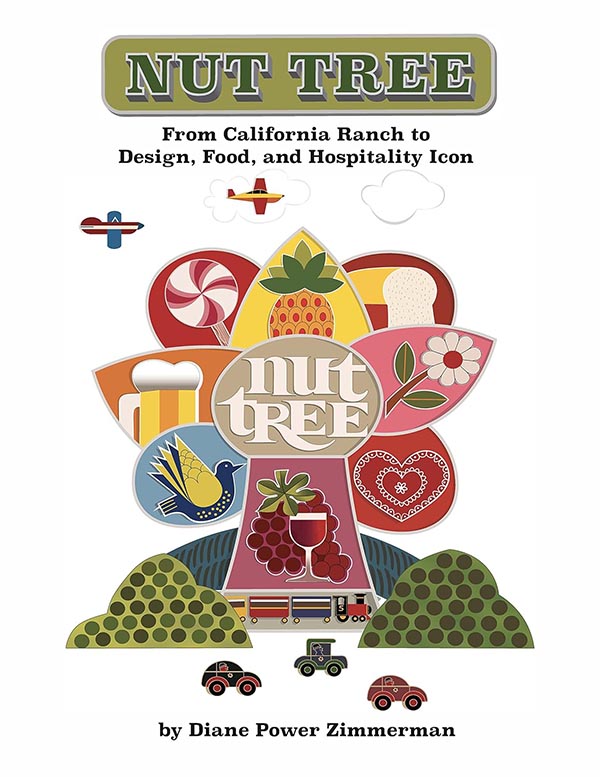
Nut Tree: From a California Ranch to a Design, Food, and Hospitality
This epic story of a world-famous restaurant spans the twentieth century and tells how a California ranch grew into a renowned destination.
For seventy-five years, visitors came by land and later by air to dine, purchase fresh baked goods, candies, unique gifts, and to enjoy art and entertainment.
This purely California tale will fascinate historians, designers, foodies, and anyone interested in how a small farm business grew into an iconic multi-million-dollar enterprise and became an integral part of California’s lore. While many journalists have written about the rich history of Nut Tree, one one has a written a five-generation retrospective.
Diane Power Zimmerman writes from her perspective as a fifth-generation member of the founding families.
Customer Review
⭐⭐⭐⭐⭐
Imagine catering at Hearst Castle! Feeding Queen Elizabeth without a kitchen! Men on stilts greeting small airplanes! Not only is the Nut Tree book beautiful to hold, it is also an engaging read. It is packed with family photos, gorgeous design and helpful diagrams to make the history easy to follow. Diane’s writing is clear and honest. She covers everything from the humble beginnings of Nut Tree to its world class special events. Every business owner should read how this business cultivated excellence, creativity and loyalty in its staff. – MM
Customer Review
⭐⭐⭐⭐⭐
An invaluable book about California particularly to those who never had the opportunity to visit this landmark in food, hospitality and design. I appreciate the way it’s set up with the asides distributed along the way. It never feels overwhelming and it lends itself to how so many of us read these days—in bits and snatches. Love the pictures which of course add immeasurably to the story. The writing is lucid and economical. I strongly recommend this book as a way to spend some time enjoying tales of a family enterprise that however unlikely became a landmark operation.
– PY
Story from the Book: How Did the Nut Tree Restaurant Get Its Name?
On a hot day in July 1921, Bunny and Helen Power set up a small fruit stand to sell rapidly ripening produce; because of a heat wave, the fruit was too ripe to ship. They chose a spot under the shadiest nut tree along the Lincoln Highway. From day one the business was a success. It turns out Americans were in love with the automobile and out looking for adventure. The word spread; this California ranch was the perfect stop on road from the San Francisco to Lake Tahoe. When the customers asked for more, Bunny and Helen took out a loan to build a small restaurant. Bunny was an entrepreneur and an artist; he knew he needed to brand the business.
To establish the giant nut tree as the brand, Bunny created a walnut tree in green for the trademark. He chose two names “The Nut Tree” and “Big Tree.” He asked other farmers for advice; they thought “The Nut Tree” was too flippant. But Bunny liked the idea of being “bit nutty’ and went home to make the first sign. He fashioned an iconic green tree with bold white letters announcing, “The Nut Tree.” He immediately registered the name for a trademark. Bunny just laughed when friends and customers would crack jokes about “being a nut” or “running a nuthouse.” Later, he made a postcard picturing him as the Chief Nut. (p. 18)